



Minimally Invasive Spine Procedures for Chronic Pain Relief
- Interventional Pain Institute > Procedures > Minimally Invasive Procedures
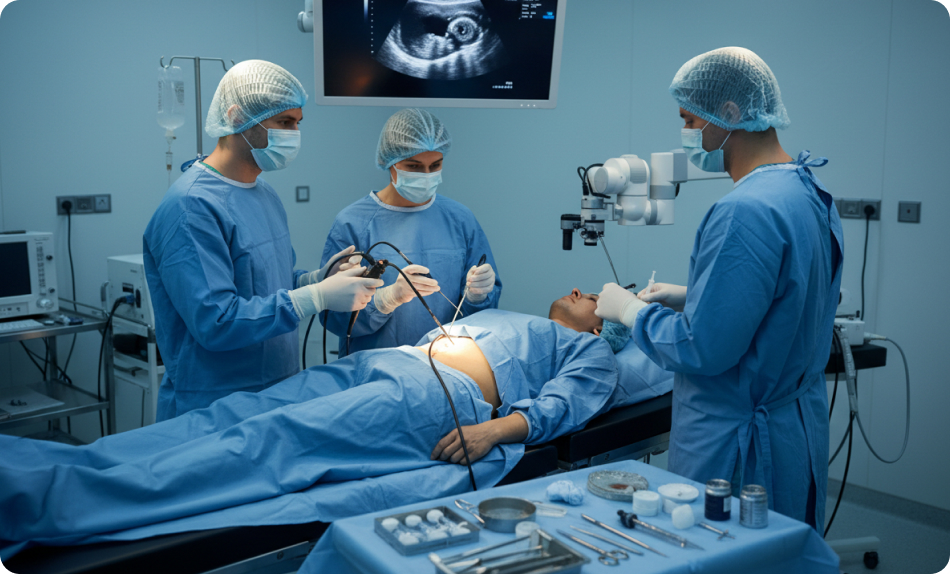
Minimally Invasive Procedures
1. Blood patch
What it Treats
An epidural blood patch is used to treat headaches caused by a spinal fluid
leak, most commonly following a spinal tap or epidural injection. These headaches typically worsen when sitting or standing and improve when lying down.
How the Procedure Is Performed
The procedure is performed using sterile technique and imaging guidance. A small amount of the patient’s own blood is drawn and then injected into the epidural space near the site of the spinal fluid leak, where it forms a seal that helps stop the leak and relieve symptoms.
2. Kyphoplasty
What it Treats
Kyphoplasty is used to relieve pain and restore spinal stability in patients with vertebral compression fractures, often caused by osteoporosis, trauma, or metastatic disease. It can help reduce pain, improve mobility, and prevent further spinal deformity.
How the Procedure Is Performed
The procedure is performed using imaging guidance, such as fluoroscopy, to accurately place a balloon tamp into the fractured vertebra. The balloon is inflated to restore vertebral height, and bone cement is injected to stabilize the fracture. Kyphoplasty provides immediate structural support and can significantly reduce pain caused by the fracture.
3. Minimally Invasive Lumbar Decompression (MILD) – Vertos/Stryker Embed
What it Treats
Minimally invasive lumbar decompression (MILD) is used to relieve lower back and leg pain caused by lumbar spinal stenosis, a narrowing of the spinal canal that can compress nerves. This procedure is typically recommended for patients who experience neurogenic claudication, leg numbness, or weakness when walking or standing.
How the Procedure Is Performed
The procedure is performed through a small incision using specialized
instruments to remove small amounts of bone and ligament that are compressing the spinal nerves. It is done under imaging guidance and is minimally invasive, allowing for reduced tissue damage, faster recovery, and relief of pressure on the affected nerves.
4. Sacroiliac (SI) Joint Fusion
What it Treats
SI joint fusion is used to relieve chronic pain in the lower back and buttock caused by dysfunction or arthritis of the sacroiliac joint. It is typically recommended for patients whose pain has not improved with conservative treatments such as physical therapy, medications, or injections.
How the Procedure Is Performed
The procedure is performed using imaging guidance, such as fluoroscopy, to accurately place implants across the sacroiliac joint. These implants stabilize the joint and promote fusion of the bones, reducing motion that contributes to pain. SI joint fusion is minimally invasive, allowing for shorter recovery time compared to open surgery.
5. ViaDisc – Vivex Embed
What it Treats
The ViaDisc® procedure is used to address chronic low back pain caused by degenerative disc disease. It is designed for patients who continue to have pain despite conservative treatments such as physical therapy, medications, and standard injections. ViaDisc® targets the damaged disc itself rather than just masking symptoms.
How the Procedure Is Performed
The procedure is a minimally invasive, non‑surgical treatment performed on an outpatient basis. Under local anesthetic and imaging guidance, a physician inserts a small needle into the center of the affected intervertebral disc. A specialized allograft material derived from human tissue is then injected into the disc to help restore hydration, support natural disc function, and promote tissue repair. Most patients go home the same day and can return to normal activity within a short period.
Call (225) 769-3636 to Speak with Our Team
Medical Pain Procedures & Treatment Services
by IPI in Baton Rouge, LA


All procedures are performed at Capital Surgery Center, a sterile, controlled outpatient medical facility designed to promote patient safety and reduce the risk of infection.
Capital Surgery Center specializes in same-day (outpatient) procedures, allowing patients to return home the same day following their procedure. Our surgical suites follow strict aseptic and infection-control protocols, including thorough room preparation, use of sterile instruments and supplies, and adherence to established clinical safety standards. Physicians and clinical staff wear appropriate sterile protective equipment and follow evidence-based guidelines throughout every procedure.
Prior to your procedure, our care team will review the process with you, answer any questions, and ensure all necessary safety measures are in place. After your procedure, you will receive detailed post-procedure instructions to support proper recovery at home.
If you have questions or concerns about the procedural process, outpatient care, or safety measures, please do not hesitate to contact our team.
Pain Diagnosis by Interventional Pain Institute
Doctors in Baton Rouge
What Our Clients Say


