



Nerve Block Injections for Chronic Pain Relief
- Interventional Pain Institute > Procedures > Nerve Blocks
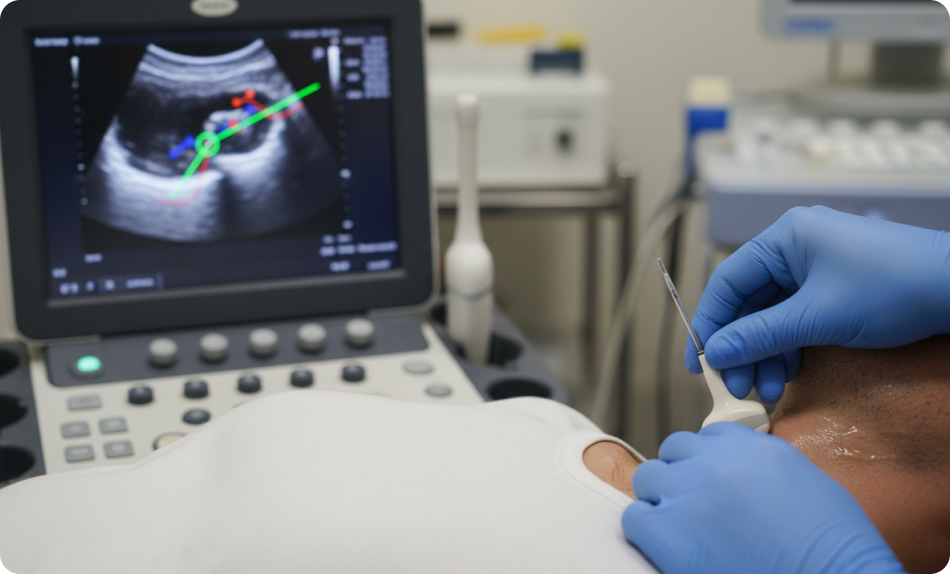
Nerve Blocks
1. Celiac Plexus Block
Embed:
What it Treats
A celiac plexus block is used to relieve chronic abdominal pain, most commonly pain associated with pancreatic cancer, chronic pancreatitis, or other upper abdominal conditions. It helps reduce pain signals coming from the abdominal organs.
How the Procedure Is Performed
The procedure is performed using imaging guidance to ensure precise needle placement near the celiac plexus, a group of nerves located in the upper abdomen near the aorta. Medication is injected to block the transmission of pain signals and provide relief.
2. Ganglion Impar Block
What it Treats
A ganglion impar block is used to relieve chronic pain in the tailbone, perineum, or pelvic region. It is commonly recommended for pain caused by coccydynia, post-surgical pain, or nerve irritation in the lower pelvic area.
How the Procedure Is Performed
The procedure is performed using imaging guidance, such as fluoroscopy, to accurately place a needle near the ganglion impar, a small nerve cluster located at the base of the spine. A combination of steroid medication and local anesthetic is injected to reduce inflammation and alleviate pain.
3. Genicular Nerve Block
What it Treats
A genicular nerve block is used to relieve chronic knee pain, often caused by osteoarthritis or other degenerative joint conditions. It can help determine whether the targeted nerves are the source of knee pain and guide further treatment.
How the Procedure Is Performed
The procedure is performed using imaging guidance, such as fluoroscopy or ultrasound, to accurately place small needles near the genicular nerves surrounding the knee joint. Local anesthetic is injected to temporarily block pain signals and assess potential pain relief.
4. Ilioinguinal Nerve Block
Embed:
What it Treats
An ilioinguinal nerve block is used to relieve chronic pain in the lower abdomen, groin, or hip area. It is commonly recommended for pain resulting from surgery, injury, or nerve irritation in the ilioinguinal nerve distribution.
How the Procedure Is Performed
The procedure is performed using imaging guidance, such as ultrasound or fluoroscopy, to accurately place a needle near the ilioinguinal nerve. Local anesthetic, and sometimes steroid medication, is injected to block pain signals and reduce inflammation, providing adequate pain relief and helping guide further treatment
5. Intercostal Nerve Block
What it Treats
An intercostal nerve block is used to relieve pain along the ribs and chest wall, often caused by conditions such as rib fractures, post-surgical pain, shingles, or nerve irritation. It can help reduce acute or chronic thoracic pain and improve breathing comfort.
How the Procedure Is Performed
The procedure is performed using imaging guidance, such as fluoroscopy or ultrasound, to accurately place a needle near the affected intercostal nerves. Local anesthetic, and sometimes steroid medication, is injected to block pain signals and reduce inflammation, providing temporary pain relief and assisting in diagnosis or treatment planning.
6. Lumbar Sympathetic Nerve Root Block
Embed:
What it Treats
A lumbar sympathetic nerve block is used to relieve chronic pain in the lower back, legs, or feet caused by conditions such as complex regional pain syndrome (CRPS), peripheral vascular disease, or neuropathic pain. It can help improve blood flow, reduce inflammation, and decrease pain in the affected areas.
How the Procedure Is Performed
The procedure is performed using imaging guidance, such as fluoroscopy, to accurately place a needle near the lumbar sympathetic nerves located along the front of the spine. Local anesthetic, and sometimes steroid medication, is injected to block nerve signals, providing temporary pain relief and helping guide further treatment options.
7. Medial Branch Nerve Block
Cervical, Thoracic, and Lumbar Embed:
What it Treats
A medial branch nerve block is used to relieve pain originating from the facet joints of the spine. This pain can occur in the neck, mid-back, or lower back and is often caused by arthritis, injury, or degenerative changes in the facet joints.
How the Procedure Is Performed
The procedure is performed using imaging guidance, such as fluoroscopy, to accurately place small needles near the medial branch nerves that supply the affected facet joints. Local anesthetic, and sometimes steroid medication, is injected to block pain signals, providing temporary relief and helping determine whether the facet joints are the source of the patient’s pain.
8. Sacroiliac (SI) Joint Innervation Block
What it Treats
An SI joint innervation block is used to relieve pain originating from the sacroiliac joint, which is located in the lower back where the spine meets the pelvis. It is commonly recommended for patients with chronic lower back or buttock pain that has not responded to conservative treatments such as physical therapy or medications.
How the Procedure Is Performed
The procedure is performed using imaging guidance, such as fluoroscopy, to accurately place small needles near the nerves that supply the sacroiliac joint. Local anesthetic, and sometimes steroid medication, is injected to block pain signals, providing temporary relief and helping determine if the sacroiliac joint is the source of the patient’s pain.
9. Selective Nerve Root Block
Cervical Embed:
What it Treats
A selective nerve root block is used to relieve pain, inflammation, and irritation caused by compression or inflammation of a specific spinal nerve root. It is commonly recommended for patients with radiating pain, numbness, or tingling in the arms or legs due to conditions such as a herniated disc, spinal stenosis, or degenerative disc disease.
How the Procedure Is Performed
The procedure is performed using imaging guidance, such as fluoroscopy, to accurately place a needle near the affected spinal nerve root. A combination of steroid medication and local anesthetic is injected to reduce inflammation and block pain signals, providing temporary relief and helping confirm the source of the patient’s symptoms.
10. Stellate Ganglion Block
Embed:
What it Treats
A stellate ganglion block is used to relieve chronic pain, inflammation, or nerve-related symptoms in the head, neck, upper chest, and arms. It is commonly recommended for conditions such as complex regional pain syndrome (CRPS), neuropathic pain, or vascular insufficiency affecting the upper extremities.
How the Procedure Is Performed
The procedure is performed using imaging guidance, such as fluoroscopy or ultrasound, to accurately place a needle near the stellate ganglion, a collection of nerves located in the neck. Local anesthetic, and sometimes steroid medication, is injected to block nerve signals and reduce inflammation, providing temporary pain relief and helping guide further treatment.
11. Suprascapular Nerve Block
Embed:
What it Treats
A suprascapular nerve block is used to relieve chronic shoulder pain caused by conditions such as rotator cuff injuries, arthritis, or frozen shoulder. It helps reduce pain, improve range of motion, and allow for more comfortable participation in physical therapy or daily activities.
How the Procedure Is Performed
The procedure is performed using sterile technique, often with imaging guidance such as ultrasound, to accurately place a needle near the suprascapular nerve at the back of the shoulder. A combination of local anesthetic and sometimes steroid medication is injected to block pain signals and reduce inflammation, providing temporary relief and helping guide further treatment.
Call (225) 769-3636 to Speak with Our Team
Medical Pain Procedures & Treatment Services
by IPI in Baton Rouge, LA


All procedures are performed at Capital Surgery Center, a sterile, controlled outpatient medical facility designed to promote patient safety and reduce the risk of infection.
Capital Surgery Center specializes in same-day (outpatient) procedures, allowing patients to return home the same day following their procedure. Our surgical suites follow strict aseptic and infection-control protocols, including thorough room preparation, use of sterile instruments and supplies, and adherence to established clinical safety standards. Physicians and clinical staff wear appropriate sterile protective equipment and follow evidence-based guidelines throughout every procedure.
Prior to your procedure, our care team will review the process with you, answer any questions, and ensure all necessary safety measures are in place. After your procedure, you will receive detailed post-procedure instructions to support proper recovery at home.
If you have questions or concerns about the procedural process, outpatient care, or safety measures, please do not hesitate to contact our team.
Pain Diagnosis by Interventional Pain Institute
Doctors in Baton Rouge
What Our Clients Say


